
Reducing food waste at home is a practical way to save money, conserve resources, and minimize your environmental impact. With a few thoughtful changes to how you shop, store, and use food, you can make a big difference. This article explores effective ways to reduce food waste in your household, helping you create a more sustainable kitchen routine.
Why Reducing Food Waste Matters
Before diving into tips, it’s useful to understand the impact of food waste. When food is thrown away, all the energy, water, and labor used in producing it also goes to waste. Additionally, decomposing food in landfills releases methane, a potent greenhouse gas. By cutting food waste, you contribute to conserving resources and reducing pollution.
—
Smart Grocery Shopping Habits
Plan Your Meals Ahead
One of the biggest reasons food goes to waste is buying items without a clear plan. Creating a weekly meal plan helps you buy only what you need. Consider recipes you’ll make and build your shopping list from there.
Shop with a List and Stick to It
Impulse buys often lead to unused food. Bringing a written list prevents unnecessary purchases. Be realistic about quantities, especially for perishable items.
Avoid Bulk Buying Perishables
While buying in bulk can save money, it’s not always practical for fresh produce or dairy if you can’t consume them before they spoil. Buy smaller amounts more frequently instead.
—
Proper Food Storage Techniques
Understand Storage Requirements
Different foods have different storage needs. For example, some fruits like apples last longer in the fridge, while tomatoes are best kept at room temperature. Learning these details helps extend freshness.
Use Airtight Containers
Transferring leftovers and opened packages into airtight containers slows down spoilage by reducing exposure to air and contaminants.
Keep Your Fridge Organized
Store older items in front so you notice them first. Clearing out expired or spoiled foods regularly prevents accidental waste.
—
Creative Cooking Tips to Use Leftovers
Repurpose Leftovers into New Meals
Leftover vegetables can be added to soups, stir-fries, or omelets. Stale bread works well for croutons or bread pudding.
Freeze Surplus Food
Many cooked meals and ingredients freeze well. Portion leftovers before freezing for easy future use.
Use Food Scraps Wisely
Vegetable peels, bones, and herb stems can become homemade stocks or compost material.
—
Mindful Portion Control
Serve Smaller Portions
Serving reasonable amounts reduces uneaten food on plates. You can always offer seconds if needed.
Encourage Family to Take Only What They Can Eat
Get everyone to help with portion sizes to minimize plate waste.
—
Regularly Check Expiration Dates and Rotate Stock
Practice FIFO (First In, First Out)
Use older products before newer ones by rotating items in your pantry and fridge.
Understand Expiration Labels
“Sell by,” “use by,” and “best before” dates are often misunderstood. Many foods are safe to consume after these dates if stored properly.
—
Composting Food Waste
Set Up a Compost Bin
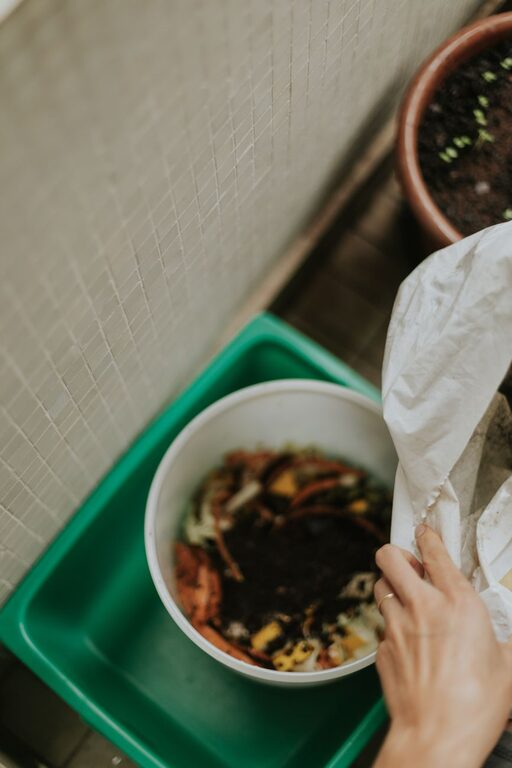
For unavoidable food scraps like fruit peels or coffee grounds, composting is an eco-friendly way to recycle organic waste.
Use Compost in Your Garden
Finished compost enriches soil and supports healthy plant growth.
—
Final Thoughts
Reducing food waste at home is a manageable and rewarding habit. By planning carefully, storing food correctly, creatively using leftovers, and being mindful of portions, you can save money and help the planet. Small steps add up to significant positive change over time.
Try incorporating some of these strategies into your daily routine and notice how your kitchen—and the environment—benefit.