
Cleaning up after dinner can sometimes feel like a chore that stretches on forever. However, with a few thoughtful strategies and a bit of planning, you can make the cleanup process much quicker and less stressful. Whether you cook every night or only occasionally, these ideas can help you enjoy your meals more and spend less time scrubbing.
Plan Ahead: The Key to Easier Cleanup
Use Fewer Dishes and Utensils
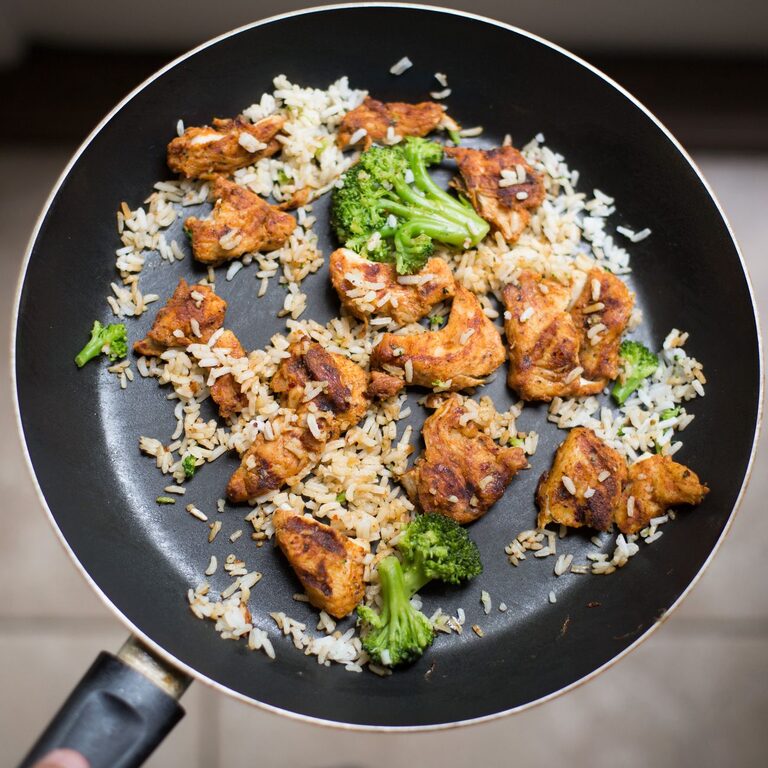
One of the simplest ways to reduce cleanup is to use fewer dishes. Try to cook meals that can be prepared and served in one or two pans or bowls. For example, sheet pan dinners or one-pot meals can minimize the number of items to wash.
Prep Ingredients in Advance
Chop veggies or measure spices before cooking begins. Preparing ingredients ahead means less mess during cooking and fewer tools used, which can reduce cleanup time.
Set Up a Cleanup Station Before You Start
Arrange your sink with dish soap, sponges, and scrubbers ready. Keep a drying rack nearby so you can rinse dishes immediately. Having everything in place makes it easier to clean as you go.
Cook Smart: Minimize Mess While Cooking
Clean as You Go
It might seem counterintuitive, but washing some utensils and wiping down counters during cooking can prevent a big pileup later. Rinse off cutting boards and wash prep bowls while your food simmers or bakes.
Use Cooking Liners and Foil
Cooking liners, parchment paper, or aluminum foil can protect pans and baking sheets, making them easier to clean. After the meal, simply remove the liner and discard it.
Invest in Nonstick Cookware
Nonstick pots and pans often require less scrubbing. They also need less oil, which can reduce greasy residue and make cleanup faster.
After Dinner: Efficient Cleanup Habits
Soak Pots and Pans Immediately
Fill pots and pans with hot, soapy water right after dinner to soak. This prevents food from hardening and makes scrubbing much easier.
Load the Dishwasher Strategically
Place dishes carefully to maximize space and ensure everything gets cleaned properly. Scrape food scraps into the trash or compost before loading to avoid clogging.
Wipe Counters and Table Right Away
Cleaning surfaces immediately after the meal prevents stains and sticky spots from setting. Use a damp cloth or disinfecting wipes to keep your kitchen fresh.
Helpful Tools and Gadgets
Use a Garbage Bowl
Keep a large bowl on the counter during meal prep and cleanup to collect scraps, peelings, and trash. This centralizes waste, so you don’t have to run to the trash can repeatedly.
Utilize Multi-Functional Appliances
Slow cookers, instant pots, and air fryers often have removable parts that are dishwasher-safe and easy to clean, reducing your overall work.
Keep Cleaning Supplies Handy
Store sponges, dish soap, and towels near your sink. Having everything within reach encourages quick cleanup.
Create a Post-Dinner Cleanup Routine
Assign Tasks or Share Duties
If you live with others, divide cleanup responsibilities to lighten the load. For example, one person washes dishes while another wipes counters and puts food away.
Play Music or a Podcast
Listening to something enjoyable can make cleanup feel less like a chore and help you stay motivated.
Reward Yourself
Plan a small treat or relaxing activity after finishing cleanup to make the process feel more rewarding.
Bonus Tips for a Cleaner Kitchen During Dinner
– Use napkins or paper towels to minimize crumbs on the table.
– Avoid opening multiple spice jars or containers to reduce clutter.
– Keep food storage containers and lids organized to speed up leftovers packing.
Final Thoughts
Dinner cleanup doesn’t have to be overwhelming. By planning ahead, cooking smartly, and developing efficient habits, you can save time and energy in the kitchen. Implementing even a few of these ideas can transform your post-dinner routine, leaving you with more time to relax and enjoy your evening. Try different strategies to find what works best for you and your household. Happy cooking—and cleaning!