
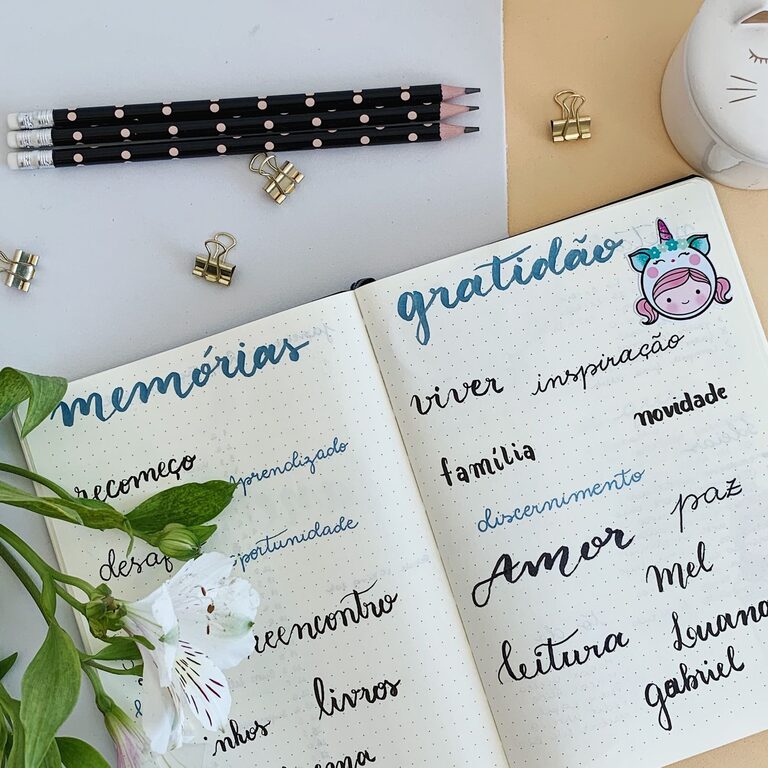
Gratitude journaling is a powerful yet simple habit that can help improve your mood, increase mindfulness, and foster a more positive outlook on life. If you’re new to this practice, starting a gratitude journal might seem overwhelming. However, it’s easier than you think, and it doesn’t require much time or special tools. This guide will walk you through everything you need to know to begin your own gratitude journal and sustain the habit.
What Is a Gratitude Journal?
A gratitude journal is a personal diary where you regularly write down things you are thankful for. These can be big events, small moments, people, experiences, or even personal qualities. The goal is to focus your attention on positive aspects of your life, which can lead to increased happiness and resilience.
Benefits of Keeping a Gratitude Journal
Before diving into how to start, it’s helpful to understand why this habit is worth cultivating:
– Improves Mental Health: Regularly reflecting on what you appreciate can reduce stress and depressive thoughts.
– Boosts Positivity: It shifts your focus away from negativity and helps you notice more good things throughout the day.
– Enhances Sleep Quality: Writing in a gratitude journal before bed may improve your sleep by calming your mind.
– Strengthens Relationships: Recognizing what you appreciate in others can improve your connections and communication.
– Encourages Mindfulness: It helps you live in the moment and increases awareness of your surroundings.
How to Choose Your Gratitude Journal
Pick Your Medium
– Traditional Notebook: Many enjoy the tactile experience of writing by hand in a dedicated journal.
– Digital App: If you prefer typing, there are numerous apps tailored for journaling and gratitude tracking.
– Printable Templates: You can find or create printable gratitude journal pages if you like a structured format.
Choose the option that feels the most natural and convenient for you, as this will increase the chances you’ll keep up the practice.
Steps to Start Your Gratitude Journal
1. Set a Regular Time
Choose a specific time of day to write in your journal. Many people prefer mornings to start the day with positivity, while others find evenings ideal for reflecting on the day’s events. Consistency is important for building a habit.
2. Start Small
Begin by writing down just 3 things you are grateful for each day. These can be simple, like enjoying a warm cup of coffee, a kind word from a friend, or a beautiful sunset. The key is to be genuine and specific.
3. Write in Detail
Instead of listing “family” or “friends,” describe a particular moment that made you grateful. For example: “I’m grateful for the phone call with my sister today because it made me laugh and feel connected.”
4. Be Honest and Personal
Your journal is for you alone, so avoid writing what you think you “should” be grateful for. Focus on what truly resonates with you.
5. Use Prompts if Needed
If you’re unsure where to start, prompts can help. Examples include:
– What made you smile today?
– Name one thing that made your day easier.
– Who is someone you appreciate in your life?
– What’s a recent accomplishment you’re proud of?
6. Reflect Periodically
Every few weeks, reread your entries to remind yourself of the positive things in your life. This reflection can reinforce your gratitude mindset.
Tips for Maintaining Your Gratitude Journal
– Keep It Accessible: Store your journal somewhere easy to reach, like your nightstand or desk.
– Make It Enjoyable: Use colorful pens, stickers, or drawings if that encourages you to write more.
– Don’t Stress About Perfection: There’s no wrong way to keep a gratitude journal. It’s a personal process.
– Combine with Other Habits: Pair journaling with meditation, deep breathing, or a morning routine.
– Be Patient: Like any habit, it takes time to develop. Even a few days a week can be beneficial.
Examples of Gratitude Journal Entries
– “Today I’m thankful for the unexpected rain shower that cooled down the hot afternoon.”
– “I appreciate my coworker who helped me solve a tricky problem at work.”
– “Grateful for the delicious breakfast I enjoyed and the calm morning to myself.”
Conclusion
Starting a gratitude journal doesn’t require special skills or much time, but the benefits can be long-lasting. By regularly acknowledging the good in your life, you can cultivate a more optimistic and joyful mindset. Choose the method that fits you best, commit to a regular time, and allow yourself to enjoy this simple yet powerful practice.
Remember, the act of gratitude is not about ignoring challenges but about finding balance by recognizing positive moments amidst everyday life. Happy journaling!