
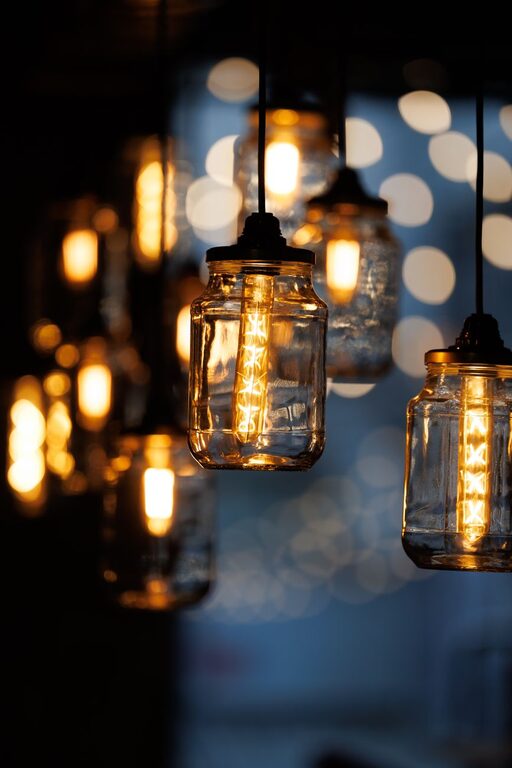
Creating a comfortable lighting environment at home is essential for both mood and functionality. Whether you’re setting up a cozy reading nook, brightening your kitchen, or creating a relaxing bedroom ambiance, the right lighting can make a big difference. This guide will offer helpful tips to choose home lighting that’s comfortable, practical, and inviting.
Why Comfortable Lighting Matters
Comfortable lighting isn’t just about brightness—it affects how you feel and how well you perform daily tasks. Too harsh or too dim lighting can cause eye strain, headaches, and fatigue. On the other hand, well-planned lighting enhances your home’s atmosphere and helps your eyes adjust effortlessly to different activities, such as reading, cooking, or relaxing.
Types of Home Lighting
Understanding the different types of lighting helps you build layers that work together:
– Ambient Lighting: The general illumination that lights up a room evenly.
– Task Lighting: Focused light for specific activities like reading, cooking, or working.
– Accent Lighting: Decorative lighting that highlights features like artwork or architectural details.
Combining these layers ensures a flexible and comfortable lighting setup.
Tips for Choosing Comfortable Home Lighting
1. Consider the Purpose of Each Room
Different rooms have different lighting needs. For example:
– Living Room: Should offer ambient lighting with options for adjustable task lighting for reading or hobbies.
– Kitchen: Needs bright task lighting over counters and ambient lighting for the whole space.
– Bedroom: Benefits from soft, warm ambient lighting with dimmable bedside lamps.
– Bathroom: Requires clear task lighting around mirrors and softer ambient light.
Tailor your lighting choices to how each room is used.
2. Opt for Warm or Neutral Color Temperatures
Light color temperature is measured in Kelvins (K). For comfort:
– Use warm light (2700K–3000K) in living rooms and bedrooms to create a cozy atmosphere.
– Use neutral light (3500K–4100K) in kitchens, bathrooms, and workspaces for clarity without harshness.
– Avoid very cool (5000K+) light indoors, as it can feel stark and tiring.
3. Choose Dimmable Lighting Options
Dimmable lights allow you to adjust brightness based on time of day and activity. This flexibility reduces eye strain and sets the right mood. Many LED bulbs and fixtures now come with dimming capability. Pair them with compatible dimmer switches for smooth control.
4. Use High-Quality Bulbs with Good Color Rendering
Look for bulbs with a high Color Rendering Index (CRI)—ideally 80 or above. A high CRI means colors look natural and vivid under the lighting, which is especially important in kitchens, bathrooms, and living spaces.
5. Layer Your Lighting
Create a balanced lighting design by layering ambient, task, and accent lights. For example:
– A ceiling fixture provides ambient light.
– Table or floor lamps add task lighting for reading.
– Wall sconces or LED strips add accent lighting to highlight features or create depth.
This layering lets you customize the lighting based on your needs.
6. Avoid Glare and Harsh Shadows
Glare can cause discomfort and eye strain. To minimize it:
– Use lampshades, diffusers, or frosted bulbs to soften light.
– Position lights so they don’t shine directly into your eyes or reflect off screens.
– Use indirect lighting techniques, such as uplighting or wall washing, to create a gentle glow.
7. Maximize Natural Light
Natural daylight is the most comfortable and beneficial lighting. Arrange furniture to make the most of window light, and choose window treatments that allow you to control glare without blocking light entirely.
8. Pay Attention to Fixture Style and Placement
Choosing fixtures that fit your room’s size and decor improves overall comfort:
– Avoid overly large or bright fixtures in small rooms.
– Place lamps at eye level for reading.
– Use adjustable fixtures like swing-arm lamps or track lighting for flexible task lighting.
9. Consider Energy Efficiency
Comfortable lighting doesn’t have to mean high energy use. LED bulbs provide bright, warm light with low electricity consumption and long lifespan. Choosing energy-efficient options is good for your wallet and the environment.
10. Test Before You Commit
Before buying many fixtures or bulbs, test different light types and placements. Many stores offer demo bulbs, or you can buy a few to try at home. This helps you find the perfect lighting for your comfort and style.
Final Thoughts
Choosing comfortable home lighting is about creating spaces that feel inviting and support your daily activities. By considering room purpose, light color, dimming, layering, and avoiding glare, you’ll ensure your home lights enhance both comfort and function. Remember to experiment and adjust as needed—lighting is a key part of making your house feel like home.