
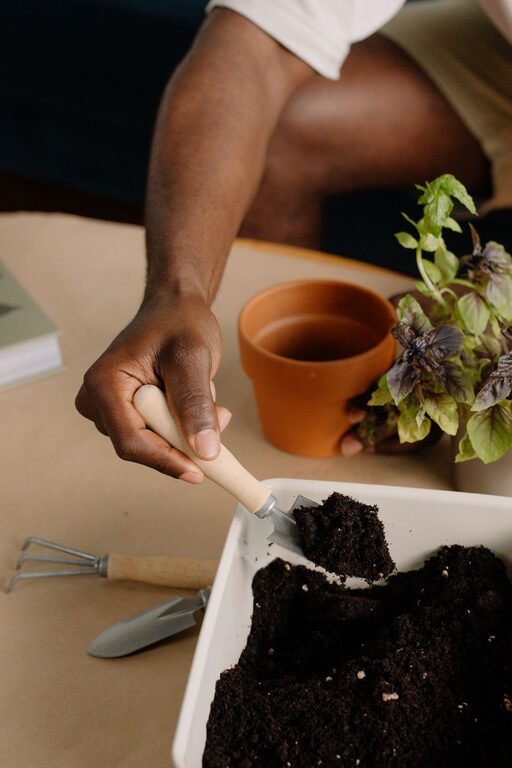
Bringing fresh herbs into your home can enhance your cooking and add a touch of greenery to any room. Starting a small herb garden indoors is easier than you might think, even if you have limited space or no prior gardening experience. This guide will walk you through everything you need to know to begin your indoor herb-growing journey.
Why Grow Herbs Indoors?
Indoor herb gardens offer several benefits:
– Access to fresh herbs year-round.
– Convenience for cooking.
– Adds natural beauty and a pleasant aroma to your home.
– Ideal for small living spaces or those without outdoor gardens.
Growing herbs indoors gives you control over environmental factors, reducing the risk of pests and harsh weather interrupting your garden.
Choosing the Right Herbs for Indoor Growth
Not all herbs thrive indoors, so selecting varieties suited for your home environment is crucial. Popular herbs that grow well indoors include:
– Basil: Needs plenty of light; great for Italian dishes.
– Parsley: Tolerates moderate light; versatile in many recipes.
– Mint: Grows quickly; prefers indirect light.
– Thyme: Requires bright light; drought-tolerant.
– Chives: Easy to grow; prefers bright light.
– Cilantro: Likes cooler temperatures and bright light.
Consider your cooking habits and choose herbs you’ll use frequently to make your indoor garden both functional and enjoyable.
Selecting Containers and Soil
Containers
Herbs don’t need large pots but do appreciate good drainage. Choose containers with drainage holes to prevent waterlogging. Options include:
– Small terracotta pots
– Ceramic pots with drainage trays
– Recycled containers with holes drilled in the bottom
Avoid using containers without drainage, as stagnant water can cause root rot.
Soil
Opt for a high-quality potting mix designed for indoor plants. Avoid garden soil, which can be too dense and bring pests indoors. Herb-specific potting mixes often contain ingredients that improve drainage and aeration, essential for healthy roots.
Finding the Right Location
Light is a major factor in indoor herb gardening success. Most herbs require:
– At least 6 hours of direct sunlight per day.
A south-facing window is usually the best spot. If natural light is limited, consider using a grow light that provides sufficient full-spectrum lighting. Position your grow light about 6-12 inches above the plants and keep it on for 12-16 hours daily.
Planting Your Herbs
You have two options: starting from seeds or buying young plants.
Starting from Seeds
– Fill your containers with potting mix.
– Moisten the soil lightly.
– Plant seeds according to package depth instructions.
– Cover gently with soil.
– Keep soil moist but not soaked.
– Be patient; germination can take days to weeks depending on the herb.
Using Transplants
– Choose healthy young plants from a nursery.
– Remove the plant from its nursery pot carefully.
– Place it in your container with fresh potting mix.
– Water thoroughly after planting.
Watering and Feeding
Herbs prefer evenly moist soil but not soggy. Tips:
– Water when the top inch of soil feels dry.
– Use room-temperature water to avoid shocking roots.
– Ensure excess water drains away.
Fertilize once a month during the growing season with a balanced, water-soluble fertilizer diluted to half strength. Avoid over-fertilizing, which can lead to weak, leggy growth.
Pruning and Harvesting
Regular pruning encourages bushier, healthier plants and prevents them from becoming leggy.
– Pinch off the tips of stems to promote branching.
– Harvest leaves often, but avoid removing more than one-third of the plant at a time.
– Use clean scissors or your fingers to snip leaves gently.
Harvesting not only provides fresh herbs but also helps the plants stay vigorous.
Managing Pests and Problems
Indoor herbs are generally less prone to pests, but you may encounter issues like:
– Aphids: Tiny insects that cluster on new growth.
– Spider mites: Cause tiny webbing and leaf discoloration.
– Fungal diseases: Often caused by overwatering.
To manage problems:
– Inspect plants regularly.
– Wipe leaves with a damp cloth.
– Use insecticidal soap if necessary.
– Avoid overcrowding plants for better air circulation.
Tips for Success
– Rotate plants occasionally to ensure even light exposure.
– Keep your growing area clean.
– Use a humidity tray or mist herbs if your home is very dry.
– Label your pots to remember which herbs you planted.
Final Thoughts
Starting a small herb garden indoors is a rewarding project that adds flavor and greenery to your home. With careful selection of herbs, proper lighting, and routine care, you’ll enjoy fresh herbs all year long. Happy gardening!