
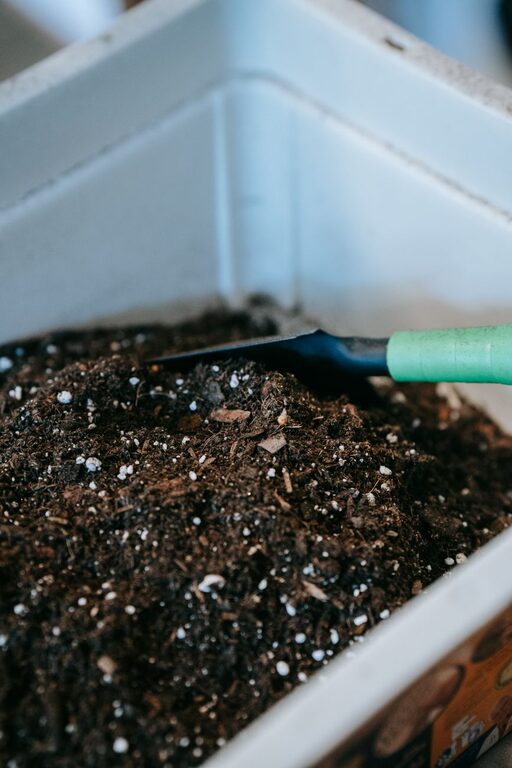
Composting at home is a fantastic way to reduce kitchen and garden waste while creating nutrient-rich soil for your plants. Whether you have a backyard or just a small balcony, you can start composting with simple steps that fit your lifestyle. This guide will walk you through beginner-friendly tips to help you compost effectively and enjoy the benefits of a greener routine.
What Is Composting?
Composting is the natural breakdown of organic materials like food scraps and yard waste into a dark, earthy material called compost. This compost is full of nutrients that help plants grow and improve soil health. By composting, you keep waste out of landfills and reduce your environmental footprint.
Why Start Composting at Home?
– Reduce waste: Kitchen scraps and yard clippings add up quickly. Composting helps reduce the amount of garbage sent to landfills.
– Enrich your soil: Homemade compost improves soil structure, retains moisture, and supports healthy plants.
– Save money: Less need for chemical fertilizers means you save money on garden supplies.
– Help the environment: Composting reduces methane emissions from landfills and encourages biodiversity in your soil.
Getting Started: Choose Your Composting Method
There are several ways to compost at home. Choose one that fits your space and lifestyle:
1. Backyard Composting Bin
The most common method for those with outdoor space. You can buy a compost bin or build your own.
Pros: Easy to manage, large capacity
Cons: Needs some outdoor space, may attract pests if not maintained
2. Tumbler Composters
A sealed bin that you can rotate to mix the contents.
Pros: Faster composting, less odor
Cons: Costlier than basic bins, limited volume
3. Vermicomposting (Worm Composting)
Uses red wiggler worms to break down food scraps in a small container.
Pros: Great for indoors, faster breakdown of food waste
Cons: Requires some knowledge about worm care
4. Bokashi Composting
An anaerobic fermentation method that uses special bran to ferment food scraps.
Pros: Can compost meat and dairy, compact size
Cons: Needs a bokashi bin and bran, involves extra steps
What Can You Compost?
Browns (Carbon-Rich Materials)
– Dry leaves
– Straw or hay
– Cardboard and paper (non-glossy)
– Wood chips or sawdust
Greens (Nitrogen-Rich Materials)
– Fruit and vegetable scraps
– Coffee grounds and filters
– Tea bags (non-plastic)
– Grass clippings
What to Avoid
– Meat, fish, and dairy (except bokashi method)
– Oils and greasy foods
– Diseased plants or invasive weeds
– Pet waste
Balancing browns and greens is key. Aim for roughly 3 parts browns to 1 part greens to keep the compost healthy and odor-free.
Step-by-Step Composting Tips for Beginners
1. Find a Suitable Spot
Place your compost bin or pile in a dry, shady spot with good air circulation.
2. Add Materials Gradually
Start with a layer of browns at the bottom, add layers of greens and browns, alternating as you go.
3. Keep It Moist
Compost should feel like a damp sponge. Add water if it’s too dry, or add more browns if too wet.
4. Turn or Mix Regularly
Aerate your compost by turning it with a pitchfork or mixing it every few weeks. This helps speed up decomposition.
5. Be Patient
Composting time varies depending on conditions. It can take from a few weeks to several months. Finished compost is dark, crumbly, and earthy-smelling.
Troubleshooting Common Problems
– Bad odor: Usually from too much green material or lack of air. Add more browns and turn the pile.
– Pests: Avoid adding meat and dairy, and cover food scraps with browns.
– Slow decomposition: Add nitrogen-rich greens and turn the pile to add oxygen.
– Pile too wet: Mix in dry browns to soak up excess moisture.
Using Your Finished Compost
Use your compost in flower beds, vegetable gardens, or as a top dressing for lawns. It improves soil texture, water retention, and provides natural fertilizer.
Final Thoughts
Starting a composting habit at home can be simple and rewarding. With these beginner tips, you’ll reduce waste, nourish your plants, and contribute positively to the environment. Remember, every small effort counts — so start small, be consistent, and enjoy the benefits of composting!
—
Happy composting! If you have questions or want to share your composting journey, leave a comment below.